Amazon Seller Fees Explained (2026)
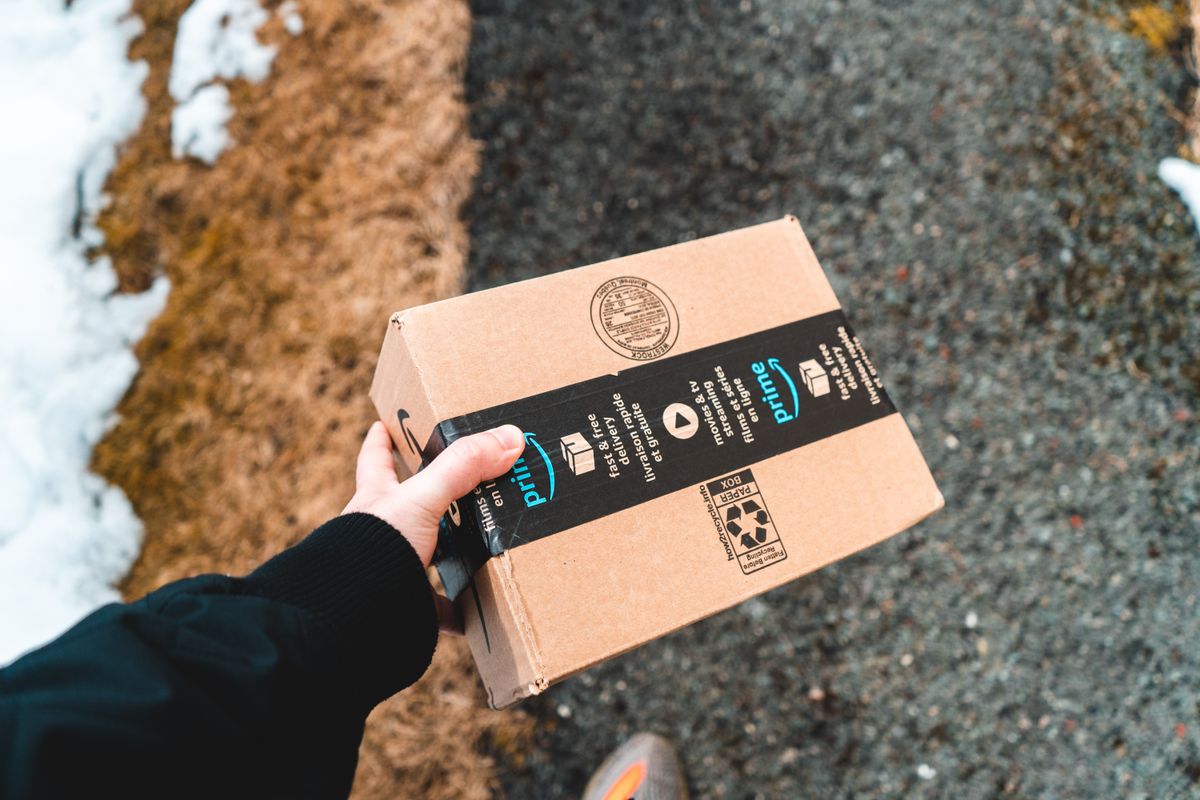
Amazon charges sellers fees at almost every step — when you list, when you sell, when Amazon stores your inventory and when it ships to the customer. Most sellers underestimate their total fee burden until they calculate true net profit per ASIN. This guide breaks down every fee category you need to account for before pricing a product on Amazon.
Quick Navigation
Referral Fees
Amazon charges a referral fee on every sale — a percentage of the total selling price including shipping. This is non-negotiable and varies by category, typically ranging from 6% to 45%. Most categories charge 8–15%.
| Category | Referral Fee % |
|---|---|
| Electronics | 8% |
| Clothing and apparel | 17% |
| Books | 15% |
| Kitchen | 15% |
| Health and personal care | 8% |
| Jewellery | 20% |
| Amazon Device accessories | 45% |
| Most other categories | 15% |
Note: Referral fees are charged on the full transaction price including shipping. Always verify the current fee schedule for your category in Seller Central.
FBA Fulfilment Fees
FBA fulfilment fees cover Amazon picking, packing and shipping your product to the customer. They are charged per unit, based on size tier and weight. These fees can range from under £2 for a small light item to £30+ for an oversized product.
| Size tier | Approx. dimensions | Approx. FBA fee (UK) |
|---|---|---|
| Small envelope | Up to 33×23×2.5cm, 100g | ~£1.85 |
| Standard envelope | Up to 33×23×2.5cm, 460g | ~£2.35 |
| Small parcel | Up to 45×34×26cm, 1kg | ~£3.35 |
| Standard parcel | Up to 45×34×26cm, 12kg | ~£5.25 |
| Large parcel | Up to 61×46×46cm | ~£8.25+ |
Note: Fees vary by marketplace — UK, US and EU have different schedules. Use the FBA Revenue Calculator in Seller Central for exact figures on your ASIN.
FBA Storage Fees
Amazon charges monthly storage fees for inventory held in FBA warehouses. Standard rates apply January to September. Q4 (October to December) rates are higher due to peak season. Long-term storage fees apply to items held for 181+ days and escalate significantly for older stock.
| Period | Standard-size | Oversize |
|---|---|---|
| Jan–Sep | Lower monthly rate per cubic foot | Lower rate |
| Oct–Dec (peak) | Higher rate (approx. 2–3× standard) | Higher rate |
| 181–365 days | Per-unit surcharge | Per-unit surcharge |
| 365+ days | Higher per-unit surcharge | Higher per-unit surcharge |
Note: Check the current Amazon FBA storage fee schedule for exact rates by marketplace — fees are updated periodically.
Monthly Subscription Fee
Amazon charges Professional sellers a monthly subscription fee — £25/month + VAT in the UK, $39.99/month in the US. This provides unlimited listings and access to Seller Central's full feature set. Individual sellers pay no monthly fee but pay a per-item fee on each sale (£0.75/item in UK) — only cost-effective for very low volume sellers.
Additional Fees to Know
Closing Fees
Certain categories — including books, music, video and DVDs — charge a per-item closing fee in addition to the referral fee. These vary by category and marketplace.
Removal and Disposal Fees
If you want to remove inventory from FBA warehouses — whether to avoid storage fees or because you are exiting a product — Amazon charges removal fees per unit. Disposal is slightly cheaper than return. Always compare removal fees against continued storage fees when deciding what to do with slow-moving stock.
Return Processing Fees
For certain product categories with high return rates, Amazon charges a return processing fee when a customer returns a product. This covers the cost of processing the return through Amazon's fulfilment network.
High-Volume Listing Fee
Sellers with catalogues exceeding 100,000 active non-media listings may be charged a monthly high-volume listing fee. This affects primarily large wholesale or dropshipping operations.
Aged Inventory Surcharge
Amazon applies surcharges to inventory held for between 180 and 365 days, escalating further for inventory over 365 days. These surcharges are in addition to standard monthly storage fees and can make holding slow-moving FBA inventory very expensive.
How to Calculate True Profit on Amazon
True net profit per ASIN requires deducting every fee category from your selling price. The common mistake is calculating profit using only referral fee and COGS — missing FBA fees, storage, advertising and returns.
The quickest way to calculate this accurately is with a dedicated profit tracking tool that pulls fee data directly from Amazon's API and applies it automatically per ASIN.
Tools That Track Amazon Fees Automatically
Rather than manually calculating fees per ASIN, these tools connect to your Amazon account and track every fee category automatically — showing your real net profit in near real-time.
sellerboard
Tracks all FBA fees, storage, ad spend and COGS in near real-time. FBA reimbursement alerts included. From $15/month.
Read Review →TrueProfit
Real-time P&L after every fee, ad spend and COGS. 5.0★ Shopify App Store. From $35/month.
Read Review →A2X
Reconciles Amazon fee settlements with QuickBooks or Xero automatically. From $29/month.
Read Review →Frequently Asked Questions
What percentage does Amazon take per sale?
Amazon takes a referral fee of typically 8–15% depending on your product category, plus FBA fulfilment fees if you use FBA. A typical FBA seller in most categories pays 15% referral fee plus £2.50–£5.25 in FBA fees per unit. Total Amazon deductions commonly range from 25–40% of the selling price when all fees are included.
How do I avoid long-term storage fees?
Monitor your FBA Inventory Age report in Seller Central regularly. For inventory approaching 181 days, consider running a promotion to accelerate sales, lowering the price temporarily, or submitting a removal order. The cost of a removal is almost always less than accumulating long-term storage fees.
Are Amazon seller fees the same in the UK and US?
No. Amazon operates separate fee schedules per marketplace. UK fees are listed in GBP, US fees in USD, and the rates, size tiers and storage periods differ. Always check the specific fee schedule for each marketplace you sell in via Seller Central.