What is Amazon FBA? (And Is It Worth It in 2026?)
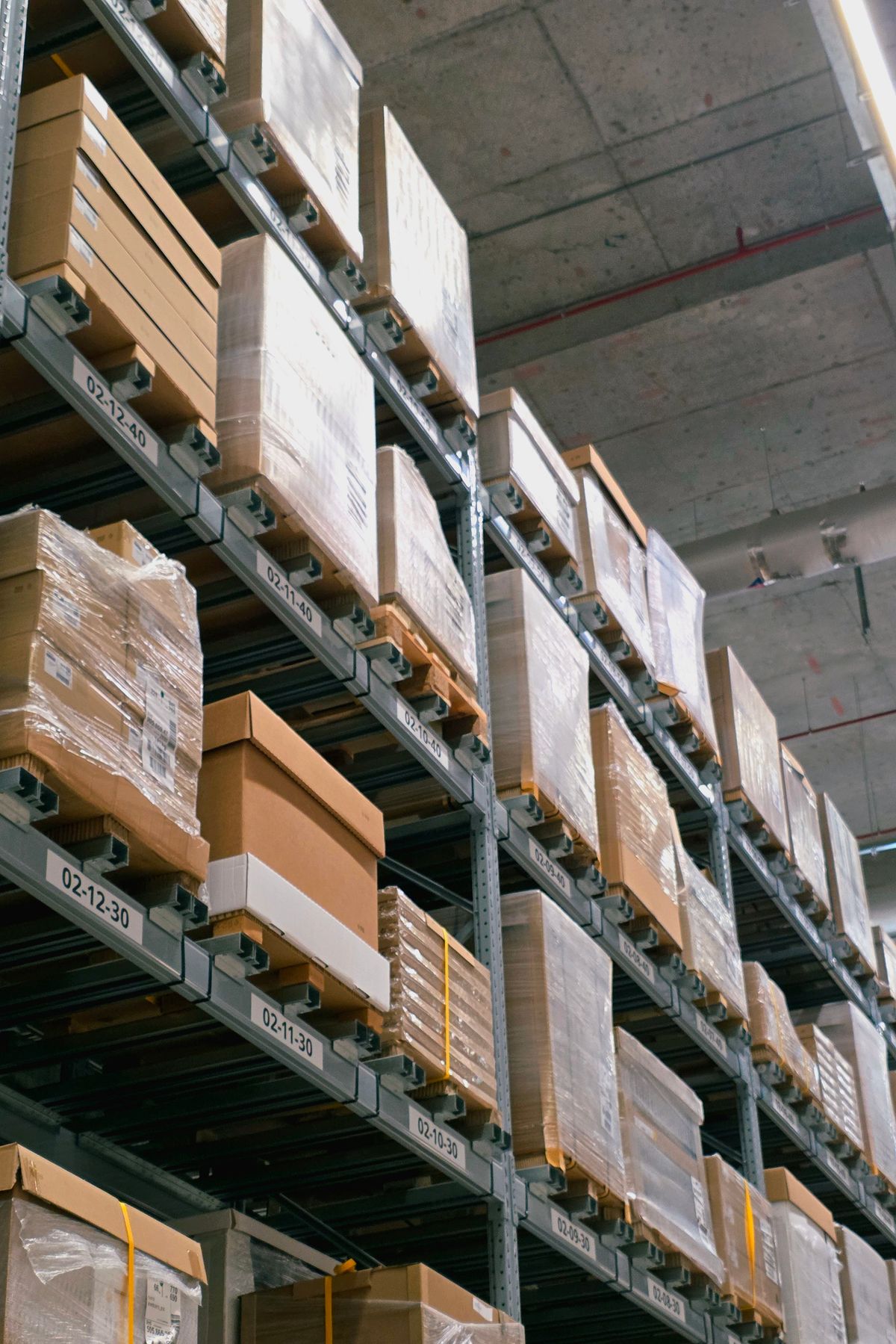
Amazon FBA — Fulfilment by Amazon — is the service where Amazon stores your products, picks and packs orders, ships to customers and handles returns on your behalf. It is used by millions of Amazon sellers globally and powers the Prime badge on listings. But FBA comes with fees, storage constraints and trade-offs that every seller should understand before committing to it.
How Amazon FBA Works
FBA works in four steps: you send your inventory to Amazon's fulfilment centres, Amazon stores it, when a customer orders Amazon picks packs and ships the item, and Amazon handles any customer service or returns. You are responsible for sourcing products, managing inventory levels and sending replenishment shipments before stock runs out.
FBA Costs
FBA involves two main ongoing costs: fulfilment fees (charged per unit sold) and storage fees (charged monthly on inventory held in Amazon's warehouse). These are in addition to Amazon's referral fee on every sale.
| Fee type | When charged | Typical range |
|---|---|---|
| Referral fee | Per sale | 8–15% of selling price |
| FBA fulfilment fee | Per unit sold | £1.85–£8.25+ (UK, by size) |
| Monthly storage fee | Per cubic foot/month | Lower Jan–Sep, higher Oct–Dec |
| Long-term storage fee | Per unit (181+ days) | Escalating surcharge |
| Inbound shipping | Your cost | To send stock to Amazon |
| Return processing | Some categories | Per return |
Note: Use Amazon's FBA Revenue Calculator in Seller Central to get exact fees for your specific ASIN and marketplace.
FBA vs FBM
| Factor | FBA | FBM (Seller Fulfilled) |
|---|---|---|
| Fulfilment | Amazon handles it | You handle it |
| Prime eligibility | ✓ Automatic | Only via Seller Fulfilled Prime |
| Buy Box advantage | ✓ Favoured by algorithm | Disadvantaged unless low price |
| Storage costs | Amazon charges you | You pay your own warehouse |
| Flexibility | Limited — stock at Amazon | Full control |
| Returns | Amazon handles ✓ | You handle |
| Upfront investment | High (send stock in advance) | Lower (ship on demand) |
| Best for | High-volume, fast-moving | Oversized, slow or custom |
Pros of Amazon FBA
- ✓ Prime badge — FBA listings automatically qualify for Amazon Prime, making them significantly more attractive to Prime members who filter for Prime-eligible products.
- ✓ Buy Box advantage — Amazon favours FBA sellers when awarding the Buy Box, allowing FBA sellers to hold it at higher prices than FBM competitors.
- ✓ Hands-off fulfilment — Amazon handles picking, packing, shipping, customer service and returns completely. You focus on sourcing and listing.
- ✓ Scalability — FBA scales instantly. During peak season, Amazon's network handles order volume spikes without any action needed from you.
- ✓ Global fulfilment networks — FBA sellers can access Amazon's global marketplace programmes to sell internationally without managing overseas logistics.
Cons of Amazon FBA
Storage Fees Can Accumulate
Slow-moving inventory in FBA warehouses generates ongoing storage fees that compound quickly. Long-term storage fees for items aged 181+ days can exceed the product's value for low-cost items. Careful inventory management is essential.
Less Control Over Fulfilment
Amazon handles fulfilment by their standards. You cannot customise packaging, include marketing inserts (beyond Amazon's rules) or control the unboxing experience the way a DTC brand can.
Commingling Risk
Amazon may commingle (mix) your inventory with other sellers' identical items by default. If another seller sends counterfeit or damaged goods for the same ASIN, your customers could receive them. Using labelled (FNSKU) inventory rather than commingling eliminates this risk.
FBA Errors and Reimbursements
Amazon regularly loses or damages FBA inventory without automatically compensating sellers correctly. Monitoring for FBA discrepancies and filing reimbursement claims is essential maintenance for any FBA seller — tools like sellerboard automate this process.
Upfront Capital Requirement
FBA requires sending stock to Amazon's warehouses before you make any sales. This ties up capital in inventory that may take weeks or months to sell. Cash flow management is a critical skill for FBA sellers.
Who FBA Suits Best
| ✓ FBA works well for... | ✗ FBA may not suit... |
|---|---|
| Sellers with fast-moving products | Sellers with very slow-moving inventory |
| Private label brands wanting Prime badge | Sellers of very low-margin products where fees erode profit |
| Online and retail arbitrage sellers at scale | Sellers with oversized or hazmat products |
| Wholesale sellers with predictable sell-through | Sellers who need full control of packaging and unboxing |
| International sellers using FBA Export | Dropshippers who ship directly from suppliers |
Essential Tools for FBA Sellers
sellerboard
Tracks true FBA profit after all fees. FBA reimbursement alerts catch Amazon errors. From $15/month.
Read Review →Aura Repricer
AI repricing to win the Buy Box at the highest possible price. Instant repricing. From $47/month.
Read Review →A2X
Reconciles FBA settlement data with QuickBooks or Xero automatically. From $29/month.
Read Review →Frequently Asked Questions
How much does Amazon FBA cost?
FBA costs include a per-unit fulfilment fee (typically £2–£8 in the UK depending on size), monthly storage fees, Amazon's referral fee (8–15% of selling price) and your monthly Professional seller subscription (£25/month + VAT). Total Amazon deductions for most FBA sellers range from 25–40% of the selling price before your COGS and shipping costs.
Can I start Amazon FBA with no money?
No — FBA requires upfront investment in inventory before any sales. The minimum practical investment varies but most FBA sellers start with £500–£2,000 in initial stock. You also need to cover inbound shipping to Amazon's fulfilment centres.
Is FBA worth it for small sellers?
Yes — FBA's main benefits (Prime badge, Buy Box advantage, hands-off fulfilment) apply regardless of your sales volume. The main risk for small sellers is sending too much slow-moving inventory and accumulating storage fees. Start with small quantities, validate sell-through rate, then scale.
What is the difference between FBA and FBM?
FBA (Fulfilment by Amazon) means Amazon stores, packs and ships your orders. FBM (Fulfilment by Merchant) means you do this yourself. FBA gives you the Prime badge and Buy Box advantage but costs more in fees. FBM gives you more control and lower fees but no automatic Prime eligibility and a Buy Box disadvantage.